Choosing between McLean and Arlington can feel harder than it should. Both are close in geography, but they offer very different housing options, daily routines, and price points. If you are trying to decide where your next move makes the most sense, this guide will help you compare the facts and narrow in on the better fit for your lifestyle, budget, and commute. Let’s dive in.
McLean vs Arlington at a glance
McLean and Arlington sit next to each other, but they do not feel the same on the ground. McLean is a Fairfax County census-designated place with 50,773 residents across 24.8 square miles, while Arlington is a county with 239,807 residents across 26.0 square miles.
That difference shows up in density. McLean has about 2,047.5 people per square mile, while Arlington has about 9,179.6 people per square mile. In simple terms, Arlington is much denser, and that often translates into a more urban, connected daily experience.
Housing styles feel very different
McLean housing trends
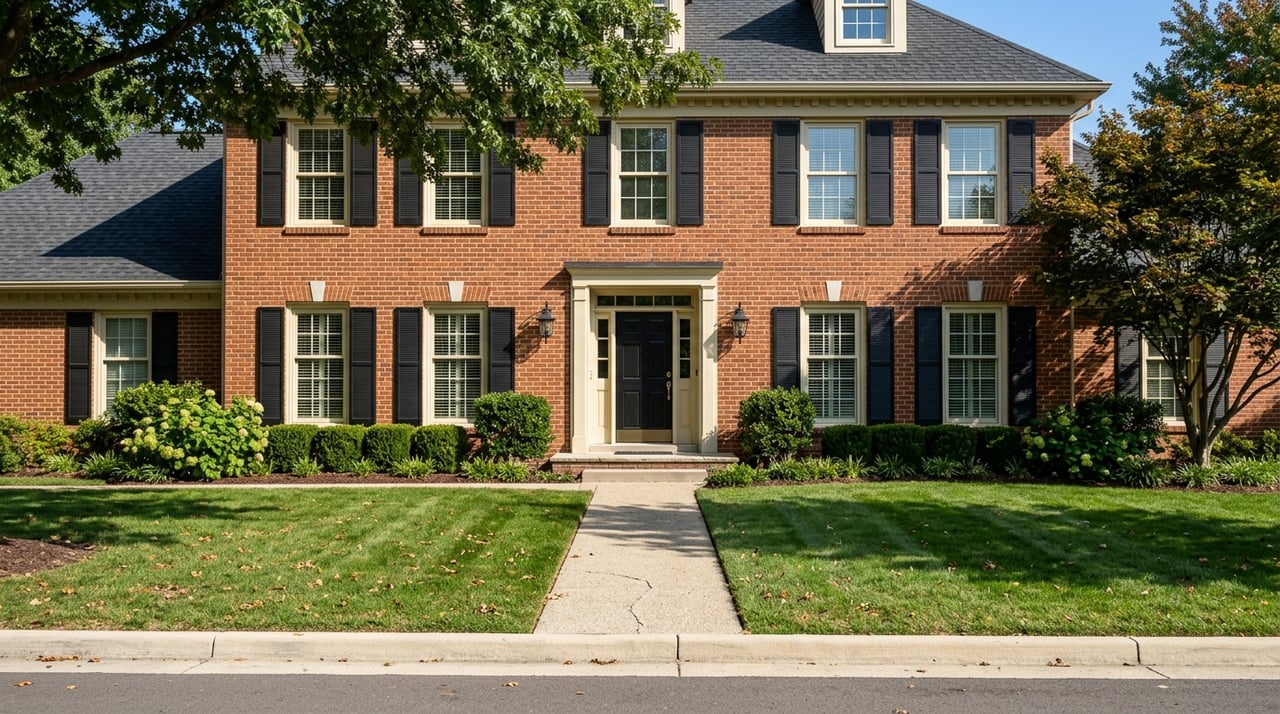
If you picture larger detached homes, quieter residential streets, and more of a suburban layout, McLean is likely closer to what you have in mind. Census and Fairfax County planning data show that McLean is strongly owner-occupied, with an 86.1% owner-occupied rate and a housing pattern dominated by single-family detached homes outside the McLean Community Business Center.
Within the McLean Community Business Center, you will find a more mixed setting. Fairfax County describes this core as an approximately 230-acre area centered around Chain Bridge Road and Old Dominion Drive, where townhouses and mixed-use development create a transition between commercial areas and nearby residential blocks.
Arlington housing trends
Arlington offers a much wider housing mix. In the 2023 ACS 5-year profile, 25.1% of housing units were 1-unit detached, 8.9% were 1-unit attached, and 49.9% were in buildings with 20 or more units.
That means Arlington tends to give you more condos, apartments, and attached-home options, along with some detached homes and townhomes. Its owner-occupied rate is also much lower at 41.3%, which reinforces the idea that Arlington serves a more mixed renter-owner market.
Price is one of the biggest differences
For many buyers, the clearest contrast is cost. As of April 2026, Redfin reports a median sale price of $1,927,455 in McLean and $821,526 in Arlington.
That is a major gap. McLean’s median sale price is a little more than double Arlington’s, which places the two markets in very different budget conversations.
Here is a simple side-by-side view:
| Category | McLean | Arlington |
|---|---|---|
| Median sale price | $1,927,455 | $821,526 |
| Median owner-occupied home value | $1,412,700 | $895,000 |
| Median gross rent | $3,422 | $2,322 |
| Median owner costs with mortgage | $4,000+ | $3,649 |
If you want a broader price ladder and more entry points, Arlington usually gives you more options. If you are targeting a premium detached-home market and have the budget for it, McLean may line up better.
Commute and transit can shape your decision
Arlington is more transit-centered
Arlington is built around transportation choice. Arlington County says 11 WMATA Metrorail stations are in Arlington, and Arlington Transit connects neighborhoods to Metrorail and Virginia Railway Express.
The county also supports biking and walking through BikeArlington and WalkArlington, and its planning approach concentrates higher-density development within a quarter-mile of station entrances. If you want a lifestyle where transit access plays a central role in your day, Arlington stands out.
McLean blends driving and transit
McLean works differently. WMATA says McLean station sits directly off I-495 in Fairfax County, with access from Route 123, and it is close to Tysons Corner shopping and major corporate headquarters.
That setup can work well if your routine blends driving with Metro use. Fairfax Connector also plays an important role in the area, with about 33,000 passengers carried daily across 90 routes, and seasonal Route 480 links McLean Metro with Wolf Trap.
Average commute times
The average commute is slightly shorter in Arlington. In the 2020-2024 ACS, mean travel time to work was 26.2 minutes in Arlington and 28.1 minutes in McLean.
That is not a huge difference, but it supports the bigger pattern. Arlington tends to be more set up for shorter, transit-friendly commuting, while McLean often fits people who want suburban living with access to major road networks and Metro.
Daily life and amenities
McLean offers a more suburban rhythm
McLean’s amenities tend to feel more spread out and destination-oriented. Fairfax County notes that McLean residents are served by community centers funded by special property taxes, and the county offers more than 900 miles of trails, bikeways, and sidewalks.
McLean also benefits from its connection to Tysons for shopping and employment. If you like having room to spread out and do not mind driving for parts of your routine, McLean may feel comfortable and practical.
Arlington offers a denser amenity base
Arlington packs a lot into a compact area. According to Arlington County, it has 55.25 miles of multi-use off-street trails, 167 county-owned and maintained parks, 13 community centers, eight libraries, and 639 restaurants.
That concentration helps explain why many people experience Arlington as more walkable and more convenient for errands, dining, and recreation. If you want more built-in access to activities and services, Arlington has the edge.
Which buyers often prefer McLean?
McLean tends to appeal to buyers who want a more suburban setting and are focused on larger detached homes. It can be a strong fit if your priorities include:
- More single-family inventory
- A strongly owner-occupied market
- Proximity to Tysons and major employment hubs
- A quieter, lower-density setting
- Willingness to pay for a premium housing market
Based on the housing, commute, and amenity data, McLean often suits buyers who want space, privacy, and a more traditional suburban layout. It can also appeal to move-up buyers and relocation clients looking for a high-touch purchase in Northern Virginia.
Which buyers often prefer Arlington?
Arlington tends to fit buyers who want more housing variety and a more connected daily routine. It may be the better choice if you value:
- More condos and attached-home options
- A broader price range
- Strong Metro access
- More walkable access to dining, parks, and services
- A denser, more urban feel
From a market perspective, Arlington gives many buyers more flexibility. If you want to balance access, convenience, and a lower median price point than McLean, Arlington may be the easier match.
Questions to ask before you choose
When clients compare McLean and Arlington, the best answer usually comes from how you live day to day. Ask yourself:
- Do you want detached-home inventory, or are you open to condos and townhomes?
- How important is Metro access to your weekly routine?
- Do you want a more suburban setting or a denser urban-suburban mix?
- What price point feels realistic for your move?
- Do you expect your next home to support a relocation, downsizing plan, or long-term move-up strategy?
These questions can help you focus quickly. Once you know what matters most, the right area usually becomes much clearer.
The bottom line on McLean vs Arlington
Neither market is better across the board. McLean and Arlington simply solve for different priorities.
McLean tends to offer a premium, owner-heavy, single-family-centered market with a more suburban feel. Arlington tends to offer more housing variety, stronger transit access, and a more accessible price ladder.
If you are weighing the tradeoffs and want guidance tailored to your goals, budget, and move timeline, working with a local advisor can make the decision much easier. If you are planning a purchase, sale, lease, or relocation in Northern Virginia, Lindene Elise Patton can help you compare neighborhoods, evaluate your options, and move forward with confidence.
FAQs
What is the main difference between McLean and Arlington housing?
- McLean is more heavily centered on owner-occupied single-family detached homes, while Arlington has a much more mixed housing stock with many condos, apartments, and attached homes.
Is McLean more expensive than Arlington for homebuyers?
- Yes. As of April 2026, the reported median sale price was $1,927,455 in McLean compared with $821,526 in Arlington.
Does Arlington have better transit access than McLean?
- Arlington has broader built-in transit access, with 11 Metrorail stations in the county and local transit connections to Metrorail and Virginia Railway Express.
Is McLean or Arlington better for a suburban lifestyle?
- McLean generally fits a more suburban lifestyle because it has lower density, more detached housing, and a more destination-oriented amenity pattern.
Which area offers more housing variety, McLean or Arlington?
- Arlington offers more housing variety, including detached homes, attached homes, condos, and larger apartment buildings.
How do commute times compare between McLean and Arlington?
- In the 2020-2024 ACS, mean travel time to work was 28.1 minutes in McLean and 26.2 minutes in Arlington, so Arlington was slightly shorter on average.
