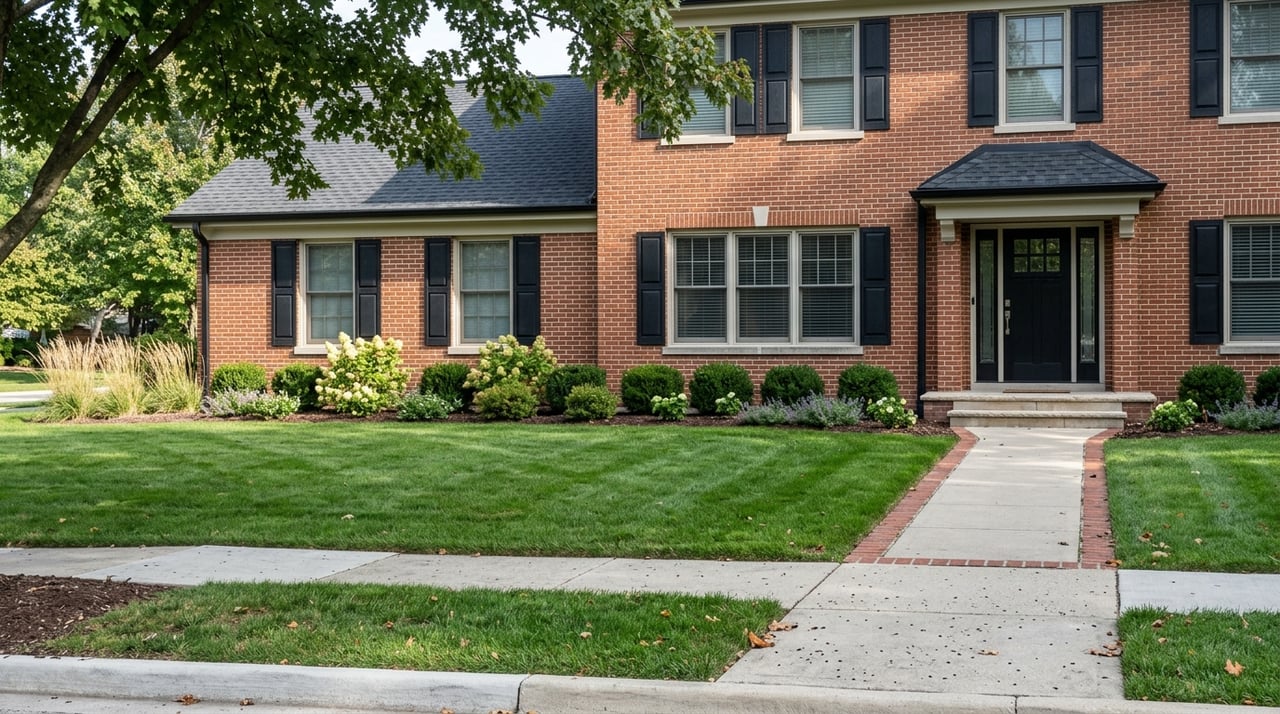
Wondering whether an HOA neighborhood or a non-HOA property is the better fit in Purcellville? It is a smart question, especially in a place where planned communities, town-edge homes, and more rural properties can offer very different day-to-day experiences. If you are weighing lifestyle, upkeep, costs, and flexibility, this guide will help you understand what to compare before you buy. Let’s dive in.
Why this choice matters in Purcellville
Purcellville has a distinct setting within western Loudoun County. The town describes its economy as closely tied to agriculture, recreation, and tourism, and it also emphasizes preserving its small-town rural character, historic architecture, and street tree canopy.
That local context shapes the housing choices you will see. In and around Purcellville, you may be deciding between a planned subdivision with association rules and shared maintenance or a more independent property with fewer neighborhood-level restrictions but more owner responsibility.
Loudoun County planning also adds another layer to the decision. Much of western Loudoun is part of the Rural Policy Area, where low-density residential use and rural economy uses are encouraged, and municipal water and sewer are not generally anticipated in many rural areas.
What HOA living usually means
In Virginia, HOA communities are governed by recorded declarations and related community documents. If you buy in one of these communities, you are agreeing to follow those lawful rules and requirements.
That matters because HOA rules can affect how a neighborhood looks and functions. Depending on the specific documents, the association may regulate use, operation, appearance, or design, which can include exterior changes and other visible property decisions.
HOA dues are also an important part of the picture. Under Virginia law, associations can collect assessments to maintain, repair, and replace common areas or other association-responsibility components.
In practical terms, that often means your dues help support the shared parts of the neighborhood. It can also mean additional assessments are possible when needed for upkeep.
What HOA buyers should review closely
If you are considering an HOA property in Purcellville, due diligence matters. Virginia’s Resale Disclosure Act requires the seller to provide a resale certificate, and that packet is one of the most useful tools you have before settlement.
The resale certificate includes key details such as:
- Governing documents
- Rules and regulations
- Current assessment information
- Other required fees
- Insurance coverage details
- Whether owners may be responsible for part of an insurance deductible
The contract must also disclose your right to cancel before settlement within the timeline allowed by law. For buyers, this is the moment to slow down and read carefully, especially if you want clarity on restrictions, costs, and future obligations.
Benefits of HOA living in Purcellville
For some buyers, HOA living offers welcome structure. If you prefer a more predictable neighborhood environment, this setup may feel easier to manage.
Common advantages can include:
- Shared maintenance funding through dues
- A more uniform neighborhood appearance
- Rules that create clear community standards
- Potential neighborhood-wide services or shared spaces
This model often appeals to buyers who want fewer unknowns about the surrounding streetscape and common-area upkeep. In planned subdivisions near Purcellville, that predictability can be a major plus.
Tradeoffs of HOA living
The same structure that helps one buyer can feel limiting to another. If you like making independent exterior decisions without review, HOA living may require more compromise.
You should also factor in ongoing dues and the possibility of additional assessments. Since Virginia law allows associations to use assessments for common-area needs, buyers should think beyond the monthly or quarterly amount and understand the full financial framework.
What non-HOA living usually means
A non-HOA property often gives you more control over your own land and improvements. Around Purcellville, that can include town-edge properties, larger lots, or acreage-style homes that align with the area’s rural development pattern.
But non-HOA does not mean rule-free. Loudoun County advises buyers to look closely at zoning, easements, private-road access, drainage and utility easements, and private covenants that may still limit development or use.
That is an important distinction. Even without an HOA, the property can still come with meaningful legal and practical constraints.
Utilities and maintenance are often the big difference
For many buyers around Purcellville, utilities are where the HOA versus non-HOA decision becomes very real. In much of rural Loudoun, homes are not connected to public sewer and wastewater service, so buyers should be prepared for private wells and onsite wastewater systems.
The county’s health department reviews well and septic permits. If a property has an alternative onsite septic system, it must be operated, maintained, and inspected by licensed professionals.
This can affect both your budget and your routine ownership responsibilities. On a non-HOA property, you may be managing more of the property’s systems directly rather than relying on a community structure for shared maintenance.
Other responsibilities non-HOA owners should expect
A non-HOA property can offer more autonomy, but it often comes with more self-management. That can be especially true for rural or semi-rural homes.
Depending on the property, you may need to plan for:
- Well and septic upkeep
- Private driveway or road access maintenance
- Drainage considerations
- Utility easement limitations
- Private trash and recycling arrangements
Loudoun County does not provide curbside pickup for garbage or recycling. Towns, community associations, and individual property owners often hire private contractors instead.
Non-HOA does not always mean no appearance rules
Some buyers assume that if there is no HOA, there are no design-related standards at all. In Purcellville, that is not always the case.
The town says it uses commissions, boards, and committees to help preserve historic architecture and the street tree canopy. So even inside town limits, a non-HOA property may still be affected by local appearance-related review or planning considerations.
That is why it is so important to understand exactly where the property sits. A home inside town limits can function differently from one in the county’s broader rural planning area.
How to choose the right fit
The best option depends on how you want to live. Neither HOA nor non-HOA is automatically better. The right answer comes from matching the property type to your priorities.
HOA may fit you better if you want predictability
An HOA community may be a strong fit if you value a more consistent neighborhood environment and prefer shared maintenance systems. Buyers who like a planned-neighborhood feel often appreciate knowing there is a structure for maintaining common areas and setting community standards.
This can be especially appealing if you want a home that feels easier to manage from a neighborhood-upkeep standpoint. It may also suit buyers who are relocating and want a more straightforward ownership model.
Non-HOA may fit you better if you want autonomy
A non-HOA property may be a better match if you value privacy, flexibility, and a more rural setting. In western Loudoun and the Purcellville JLMA Rural area, county planning supports low-density residential use and a rural visual setting, which often aligns naturally with larger lots and more independent property management.
This type of property can appeal to buyers who want more room, more separation from neighbors, or a more traditional country-property feel. It may also be attractive if you are considering acreage or a specialty parcel and understand the extra due diligence that can come with it.
Four questions to ask before you offer
Before you make an offer on any property in the Purcellville area, make sure you can answer these four questions clearly:
- Is the property inside Purcellville town limits or in the county’s JLMA or broader rural area?
- Is the property part of a common-interest community?
- Are water and wastewater services public or private?
- Does the property rely on private access or easements?
These questions can help you avoid surprises later. They also give you a clearer picture of ownership costs, responsibilities, and limitations.
Why local guidance helps
In Purcellville, the difference between HOA and non-HOA living is not just about dues or rules. It is also about land use, utilities, access, and how a specific property fits into the area’s town-and-country mix.
That is why a property-level review matters so much. A planned subdivision and an acreage-style home can both be great options, but they ask different things of you as the owner.
If you want help comparing homes in Purcellville, reviewing the practical differences between HOA and non-HOA properties, or narrowing down the right fit for your lifestyle, Lindene Elise Patton can guide you through the details with clear, tailored advice.
FAQs
What does HOA living in Purcellville usually include?
- HOA living in Purcellville usually means following recorded community documents, paying assessments, and living within rules that may address common-area funding, exterior appearance, and neighborhood standards.
What should buyers check on a non-HOA property near Purcellville?
- Buyers should review zoning, easements, private-road or driveway access, drainage and utility easements, private covenants, and whether the home uses public or private water and wastewater systems.
Are many properties near Purcellville on well and septic systems?
- Yes. In much of rural Loudoun, homes are not connected to public sewer and wastewater service, so private wells and onsite wastewater systems are common.
Does non-HOA living in Purcellville mean there are no rules?
- No. Even without an HOA, a property may still be subject to zoning rules, easements, private covenants, and in some cases town-level appearance or planning considerations.
What documents should buyers review for an HOA home in Virginia?
- Buyers should review the resale certificate packet, which includes governing documents, rules and regulations, assessment information, other fees, and insurance details.
How can buyers decide between HOA and non-HOA living in Purcellville?
- Start by comparing your priorities around predictability, autonomy, maintenance responsibilities, utilities, access, and the type of setting you want, whether that is a planned neighborhood or a more rural property.
