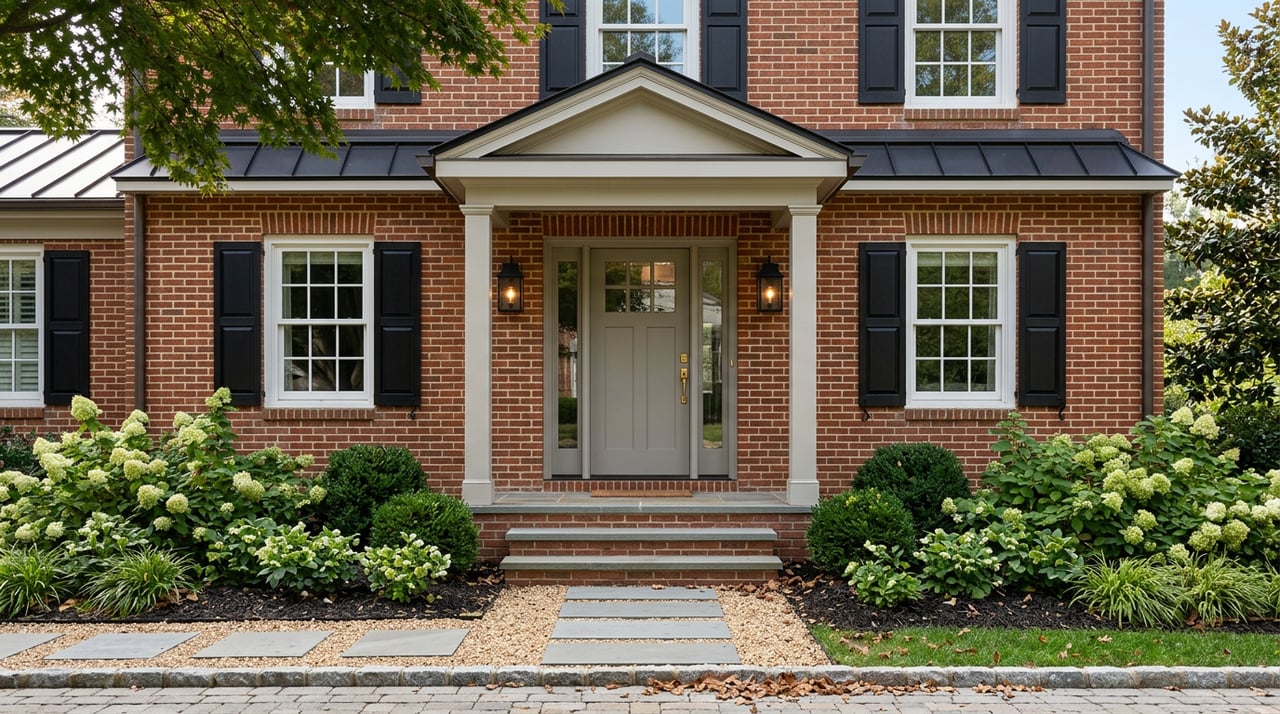
Thinking about trading your DC house for a simpler, walkable life in Bethesda? You’re not alone. Many longtime Washington homeowners are right-sizing to enjoy strong amenities, culture, and transit while dialing back maintenance. In this guide, you’ll learn what prices look like in 2026, where to focus your search, the condo and HOA details to check, and how to plan your move with confidence. Let’s dive in.
Bethesda at a glance in 2026
Bethesda is a premium suburban market. As of early 2026, Redfin reports a citywide median sale price around $1.5 million. Other services that track listing or AVM values showed lower figures in late 2025, roughly in the $1.1 to $1.2 million range. The number you see depends on the date, data source, and housing type, so always time-stamp any metric you use.
What does that mean for rightsizers? In downtown elevator buildings, older 1-bedroom condos often appear in the low-to-mid $300,000s to $600,000 range, while newer or larger luxury units can reach $700,000 to $1.5 million and higher. Townhouses commonly run from the mid-$600,000s to low-$900,000s near the most walkable areas. Traditional detached homes in classic Bethesda ZIPs often range from about $1 million to $3 million and above, with sharp variation block to block.
Why move to Bethesda
You get a blend of urban convenience and suburban calm. Downtown Bethesda is highly walkable, with frequent dining, shopping, and events. If maintaining a city-style social life matters, you’ll find it in the walkable core and at nearby arts venues like Strathmore’s Music Center, which offers robust year-round programming for every taste. Explore highlights of the venue through this overview of Strathmore’s arts programming.
Healthcare access is a standout benefit. Johns Hopkins Suburban Hospital is right in Bethesda, and Walter Reed National Military Medical Center sits close by. For many 55+ buyers, proximity to hospitals and specialists is a top decision driver.
Transit is strong if you choose the right pocket. Bethesda Station on WMATA’s Red Line provides one-seat or short-transfer access into downtown Washington; in-train segments typically land in the low-to-mid 20-minute range depending on the destination and schedule. Use the Bethesda Station rider guide to plan door-to-door time that includes walking, waiting, and transfers.
What you’ll trade off
Space vs. maintenance
Moving from a DC rowhouse or single-family home to a condo or townhouse usually reduces maintenance and exterior upkeep. You may give up a yard and some storage to gain on-call building services, security, and simpler living. Your monthly budget will trade DIY and vendor costs for HOA dues that cover common-area care and reserves.
Single-floor living vs. steps
If mobility or future accessibility is on your mind, elevator buildings and single-level floor plans rise to the top. AARP’s aging-in-place guidance consistently highlights one-level layouts and accessible baths as smart priorities for long-term comfort. You can review core planning tips in AARP’s practical home guidance.
HOA reserves and assessments
In Maryland, new reserve-study and funding requirements mean associations must commission studies and fund reserves on a defined schedule. Boards also have tools to raise assessments to meet those targets. Before you commit, read the latest reserve study, budget, board minutes, and any special assessment notices so you understand true monthly cost. Learn why this review matters in this overview of Maryland’s reserve-study rules.
Parking details matter
Assigned garage parking is common in many downtown buildings, but not guaranteed. Guest parking can be limited, especially in smaller or older properties. If you rely on a car, confirm the number of deeded spaces, whether they convey, and the guest policy, and review county garage options via Montgomery County’s parking program updates.
Where to look in and around Bethesda
Downtown core: Bethesda Row and Woodmont Triangle
If you want a short walk to dinner, coffee, and fitness classes, start here. The downtown core concentrates most high-rise and luxury condo buildings, boutique shops, and frequent events. It also scores well for daily errands on foot; check neighborhood walkability on Walk Score’s Bethesda page.
North Bethesda and Grosvenor-Strathmore
North Bethesda’s Pike & Rose area and the Grosvenor-Strathmore corridor mix newer development, Red Line access, and cultural programming at Strathmore. You’ll find contemporary elevator condos and a lifestyle that blends suburban ease with regular arts and dining. For a quick primer on the venue, see Strathmore’s arts guide.
Traditional single-family pockets
Classic Bethesda neighborhoods in ZIPs like 20816 and 20817 offer leafy streets, more detached homes, and private yards. These areas trend more car-oriented than the downtown core. If you value a quiet street and a small yard while staying close to DC, this might be the right tradeoff.
Getting around and staying active
Door-to-door planning is essential. Test your real-life commute by timing the walk or drive to Metro, the wait, the train ride, and the final walk. Use the Bethesda Station rider guide for schedules and tools.
Keep an eye on 2026 service changes. WMATA has announced major Red Line construction during summer 2026 with bus bridges replacing trains on certain segments. If you depend on predictable Metro service, follow WMATA’s Red Line construction updates as you plan.
For biking and fresh air, the Capital Crescent Trail is a local favorite. Proximity to a trailhead can be a meaningful lifestyle boost for daily walks or casual rides. Explore the route on the Capital Crescent Trail overview.
If you host visitors often, review garage and street options. Montgomery County manages a network of public garages and permits downtown, which can be a helpful backup for guests. You can scan program notices and changes at the county’s parking information page.
Costs and closing items to know
Property taxes are a key budget line. Montgomery County publishes its financial and budget context, including the weighted average real-property tax rate. Tax bills typically adjust when assessments rise, so estimate your annual bill using assessed value plus the current rate and any applicable credits. For county context, review the FY2025 Popular Annual Financial Report.
Plan for transfer and recordation taxes at closing. Maryland and Montgomery County charge state and county-level taxes and fees, which often total roughly 1 to 2 percent or more of the purchase price. Practices on who pays what can vary, so ask a title company for a written estimate tied to your contract before you commit.
Budget HOA dues and what they cover. In Bethesda, condo fees can range from the low hundreds monthly into the $600s and higher for full-service or luxury buildings. Dues often cover common-area maintenance, some utilities, insurance for the structure, amenities, and reserve contributions. Always read for special assessments and upcoming projects that could change your monthly cost.
Think through net proceeds and taxes on your DC sale. Many sellers can use the federal primary-residence capital gains exclusion, subject to IRS rules and limits. Your net will also reflect commissions, repairs, any mortgage payoff, and DC transfer/recordation taxes. Consult a CPA for personalized guidance.
Condo and townhouse checklist for 55+
Use this short list to focus your search and avoid surprises:
- Rank your top priorities: single-level living, walkability, parking, proximity to healthcare, outdoor space, and social life. AARP’s guidance can help you think clearly about must-haves vs. nice-to-haves; see AARP’s practical home guidance.
- If considering condos, request the last three years of HOA financials, the most recent reserve study and funding plan, board minutes related to capital work, and any special-assessment notices. Maryland’s rules on reserve studies are explained here: Maryland reserve-study overview.
- Visit neighborhoods when you’ll actually use them. Try a weekday midday and a weekend morning to gauge street life, noise, and parking.
- Run a door-to-door commute trial that includes walking or driving to Metro, waiting, and transfers using the Bethesda Station rider guide.
- Get a line-item estimate of closing costs, including transfer and recordation taxes, from your title company before you make an offer.
Questions to ask your agent before you write an offer
- Is the building fully elevator-served with step-free access from curb to unit, and how is accessibility maintained during outages?
- What is the date of the last reserve study, current reserve balance, and planned capital projects over the next 3 to 5 years?
- Have there been special assessments in the last three years, and are any being discussed now?
- What exactly conveys for parking and storage, and what are the guest parking rules on-site and nearby county garages?
- What utilities and services are included in the HOA dues, and what is the building’s master insurance deductible?
Is a 55+ community a better fit?
Inside downtown Bethesda you will find relatively few full-service, gated 55+ developments. Many larger active-adult communities, such as Leisure World or Riderwood, sit elsewhere in Montgomery County. If a bundled active-adult lifestyle is your top priority, those areas may be worth exploring. If you want urban-suburban convenience, culture, and transit, a downtown Bethesda condo or a townhome near Metro is the more common move.
Next steps
- Clarify budget and priorities, including monthly carrying costs with HOA dues.
- Decide on your lifestyle target: walk-to-dinner downtown, arts-focused North Bethesda, or a quieter single-family pocket.
- Tour a cross-section of properties to compare space, finishes, fees, and walk times to Metro or the trail.
- Review condo financials and reserve plans before making an offer.
- Plan your timeline around 2026 Metro construction if transit is essential to your routine.
If you’re ready to right-size with a thoughtful plan and a calm, concierge-level process, let’s talk. Lindene Elise Patton guides complex downsizing moves with clear communication, meticulous prep, and the resources you need for a confident transition.
FAQs
Will I save money by downsizing to a condo in Bethesda?
- Sometimes; you may reduce maintenance and some utilities, but condo fees and higher per-square-foot prices can offset savings, so compare total monthly costs before deciding.
Can I keep a car if I move to a downtown Bethesda condo?
- Often yes; many buildings include garage parking and the county runs public garages, but confirm what conveys with the unit and the building’s guest policy in writing.
How reliable is Metro during 2026 Red Line construction?
- WMATA plans summer 2026 work with bus bridges on some segments; check official updates and plan door-to-door time to keep your routine predictable.
How do Montgomery County property taxes affect my budget?
- Property taxes are based on assessed value and current rates; bills adjust with assessments, so calculate using your projected assessment and the county’s published rate.
Are there truly walkable neighborhoods in Bethesda for a car-light life?
- Yes; the downtown core near Bethesda Row and Woodmont Triangle is highly walkable for errands and dining; review area walkability on Walk Score for specific blocks.
